



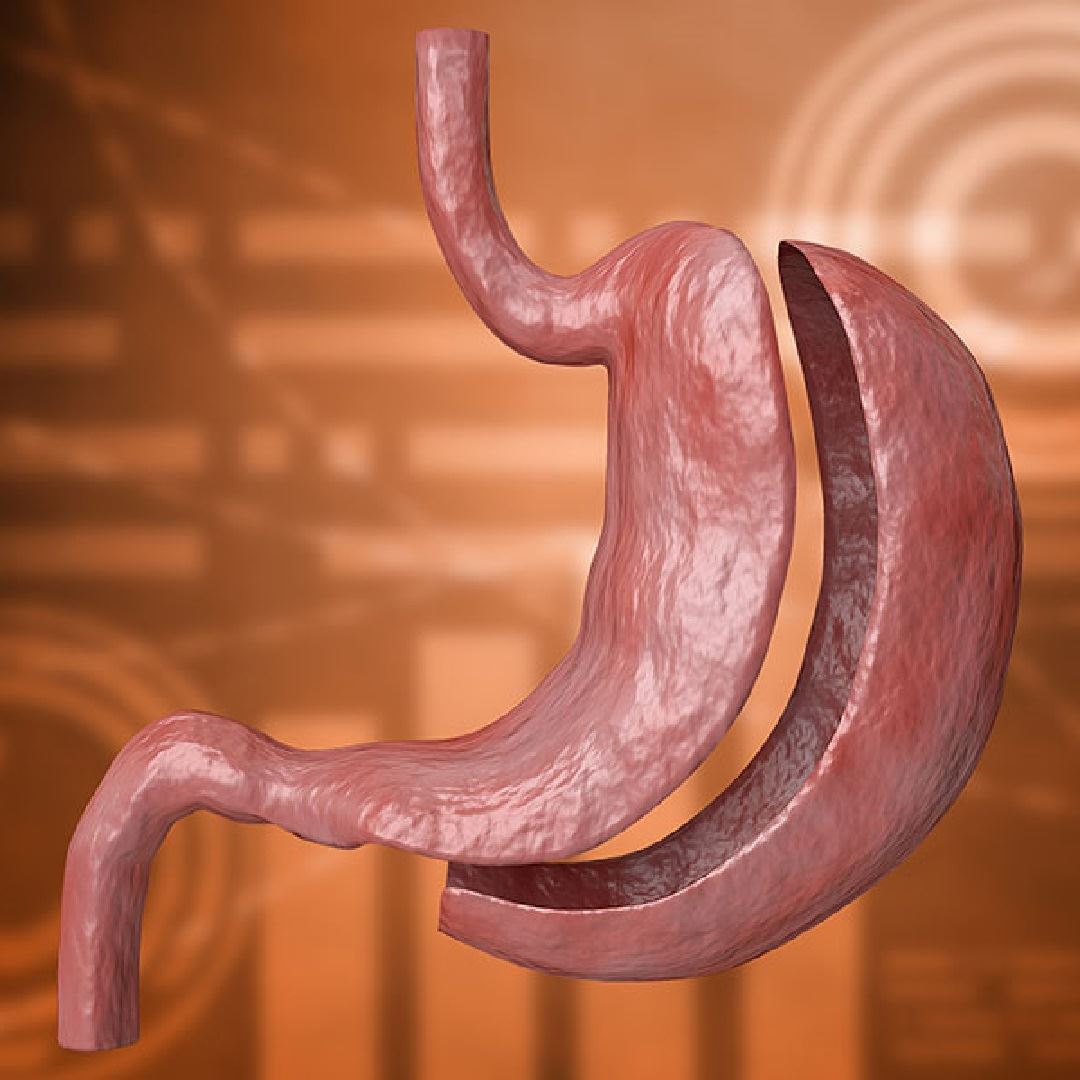
What is Bariatric Surgery?
In cases where obesity becomes not only an unpleasant problem, but also seriously threatens the patient's health, and the methods of conservative medicine and dietetics have exhausted themselves, they resort to bariatrics. Bariatric surgery is safe and effective in modern medicine
What are the types of bariatric surgery?
There are several types of bariatric surgery: Gastric ligation or ligation (surgery using a laboratory bandage). . Longitudinal gastric resection or sleeve gastroplasty (sleeve surgery of the stomach). . Gastric bypass surgery (gastric bypass surgery):
When is bariatric surgery indicated?
Bariatrics is a serious intervention for the human body, therefore, surgery is prescribed only in cases where the body mass index exceeds 35-40 kg / m2, the patient has chronic diseases developing against the background of obesity, and therapeutic methods of treatment have not led to an improvement in the patient's condition.:
Positive results of bariatric surgery:
In general, patients:
1. Lose excess weight quickly after surgery within two years:
2. Lose up to 50% of excess weight in the first six months:
3. Get rid of diseases such as diabetes, depression, back pain, stomach ulcers, high blood pressure, etc.:
1. Lose excess weight quickly after surgery within two years:
2. Lose up to 50% of excess weight in the first six months:
3. Get rid of diseases such as diabetes, depression, back pain, stomach ulcers, high blood pressure, etc.:
How long does the rehabilitation period last?
Bariatric surgery (bariatrics) requires a long recovery period, which is performed in the intensive care unit. During treatment, the patient undergoes prevention of thromboembolic complications and drug therapy. A special diet developed by a nutritionist must be prescribed. It is often recommended to undergo a course of physical therapy and moderate physical activity. This is necessary not only to accelerate the patient's recovery, but also to prevent relapses and stabilize the weight loss process.:


